Field before feature
The first trailer was shaped around real work: what the crew reached for, what disappeared, what caused another trip and what made reset harder than it needed to be.
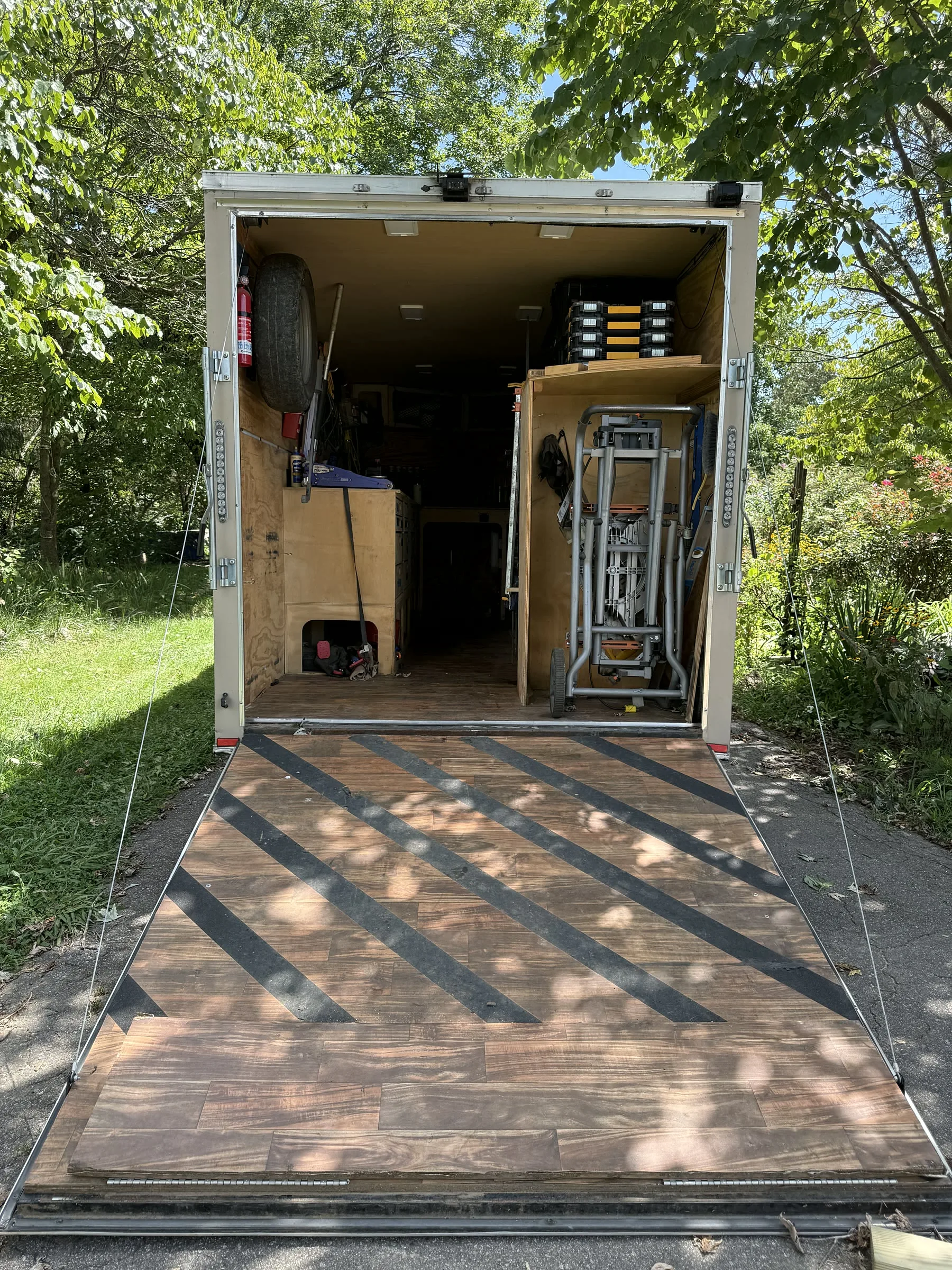
Built by builders
Biltout began inside a residential construction company—not in a product brainstorm. It started as a practical answer to the friction of moving real work from job to job.
The beginning
The problem was already familiar
Who Needs Normal Homes needed a better way to move a residential construction operation from job to job. Scott, Mike and their dad built a trailer around the realities their crew dealt with every day: searching, forgotten tools, extra trips, repeated setup and a shop that had to move with the work.
The answer was not simply more storage. It was a connected working layout—clear access, defined homes and the ability to restore the system before the next move. The field-used trailer became the operating prototype behind Biltout.
“The whole shop. Wherever the work is.” was not written first. The need came first.
What the prototype taught us
A clear aisle is connected to access. Access is connected to storage. Storage is connected to reset. Biltout is the discipline of turning those linked operating lessons into one repeatable 7×16 product.
Tour the Biltout design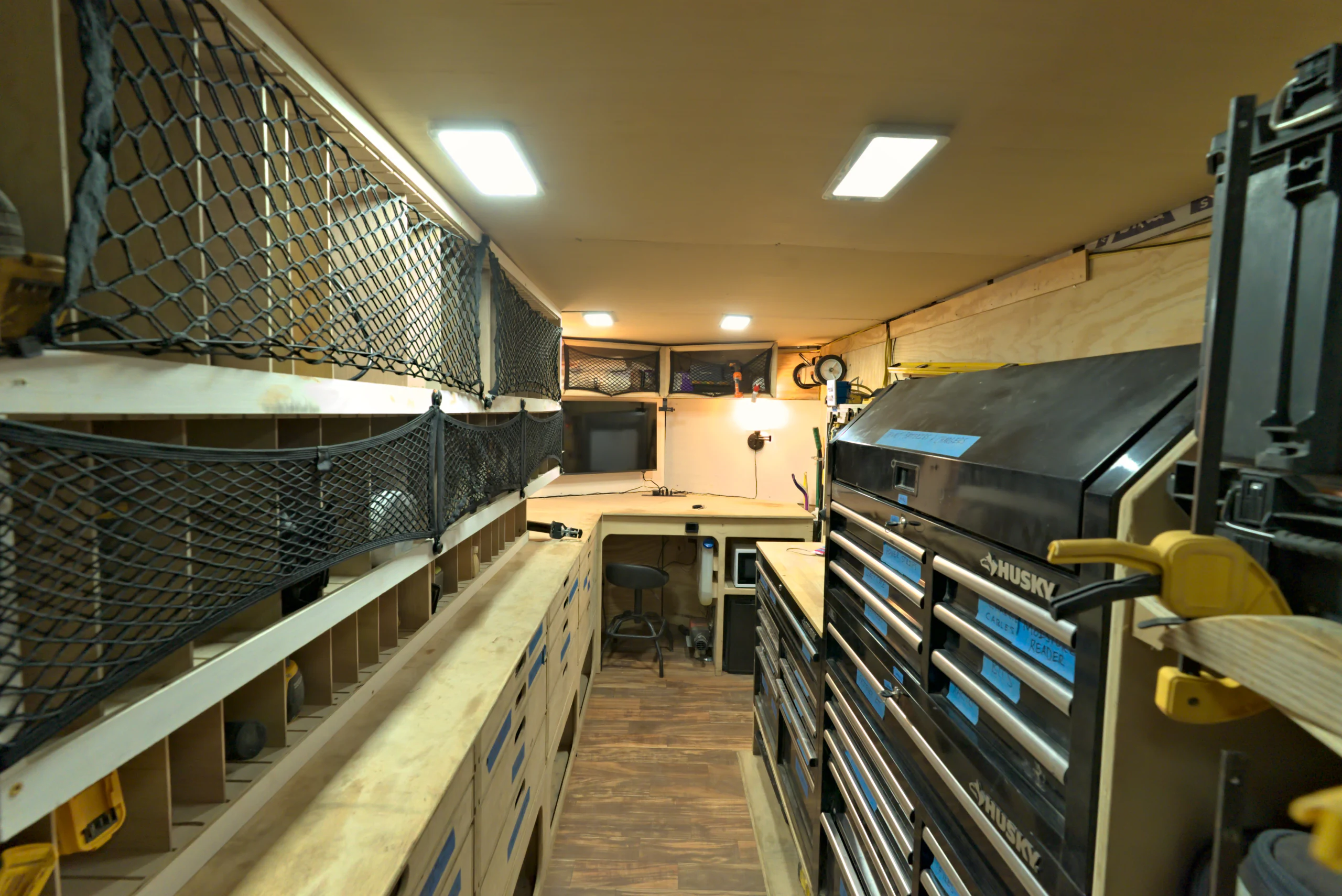
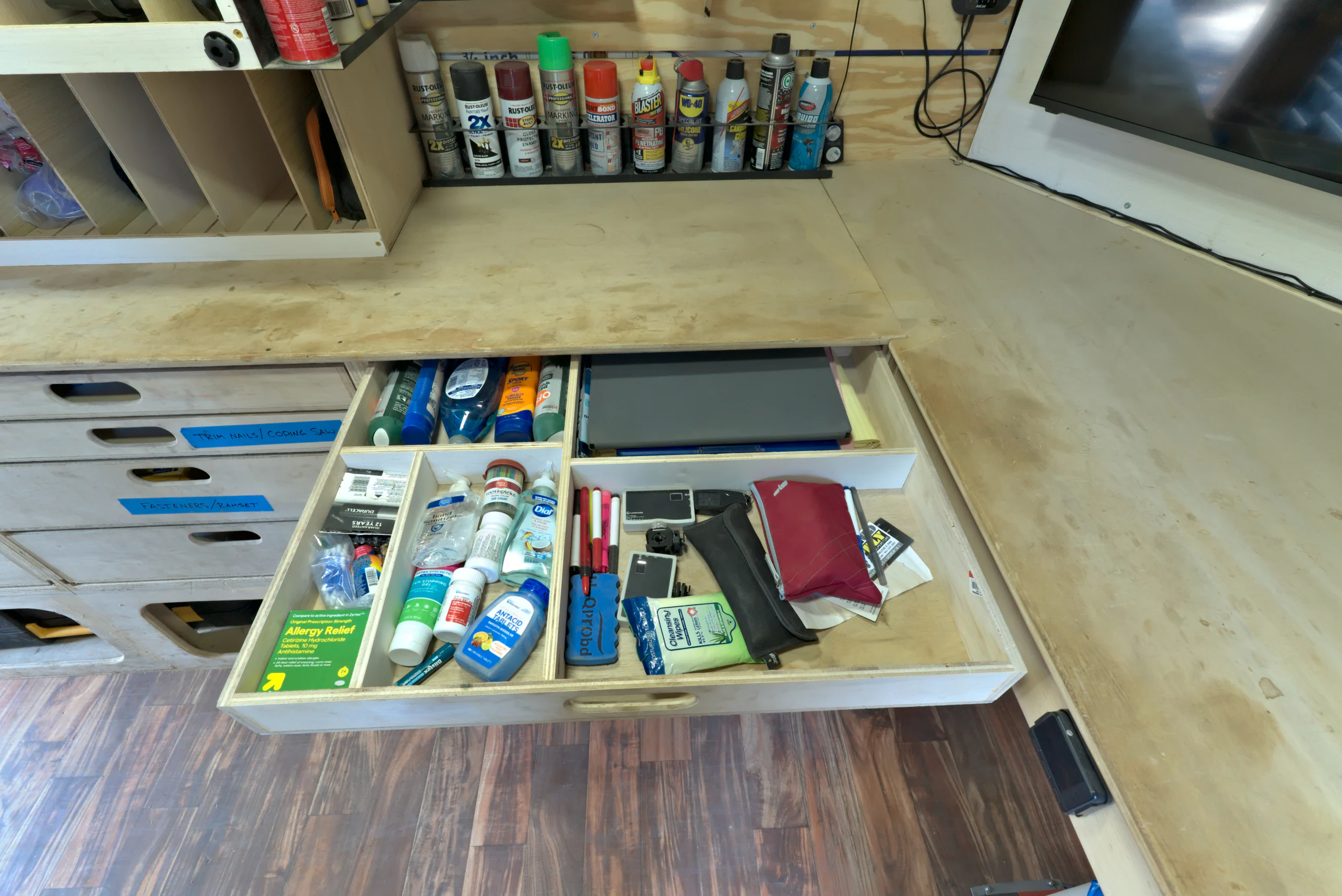
How we are carrying it forward
The first trailer was shaped around real work: what the crew reached for, what disappeared, what caused another trip and what made reset harder than it needed to be.
Defined homes, a clear aisle and repeatable storage matter together. The value is the operating rhythm they create—not any single drawer, shelf or surface.
The prototype shows where Biltout began. Production details, finished weight and capacity still have to be documented before the product becomes a binding offer.
Where Biltout is now
Biltout is translating a builder-operated prototype into a standardized complete product without polishing away the honest material or claiming production decisions before they are proven.